
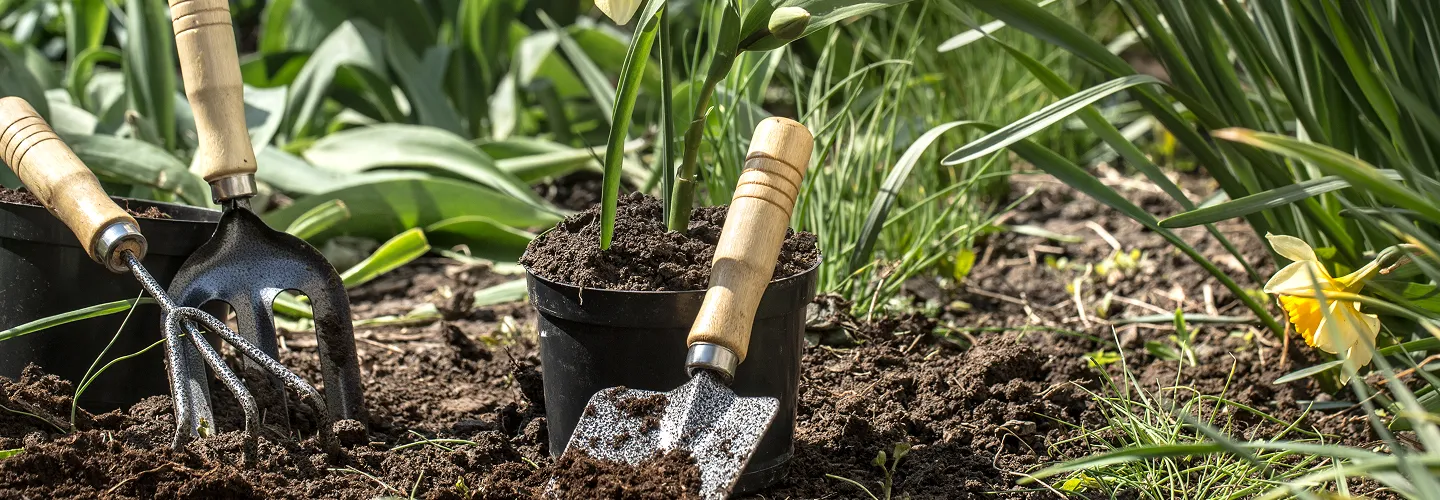
Dawson Plant Removal Services
Choose Dawson Plant Removal for reliable, professional service that ensures unwanted plants are removed quickly and safely, leaving your property clean and ready for your next project.
Get a Free QuoteOur Dawson Landscaping & Yard Care Services
When to Schedule Plant Removal in Dawson, Georgia – Seasonal Guide
In Dawson, Georgia, timing your plant removal is crucial for both the health of your landscape and the efficiency of the process. The region’s humid subtropical climate means that late winter through early spring is often the best window for plant removal, as the ground is softer from winter rains and most vegetation is dormant. This reduces stress on your soil and minimizes regrowth, especially in neighborhoods like Parrott Avenue or near the Chickasawhatchee Creek, where shade coverage and soil moisture can vary significantly.
Local environmental factors such as the last frost date—typically in early March—should be considered to avoid damaging surrounding plants. Dawson’s periodic drought risk in late summer and the heavy clay soils common in areas around Sasser Highway can also impact removal timing. For properties near landmarks like the Terrell County Courthouse, municipal guidelines may apply, so it’s wise to check with local authorities or consult resources like the Sudbury town website for up-to-date information.
Local Factors to Consider for Plant Removal in Dawson
- Tree density and proximity to structures
- Terrain slope and soil type (e.g., clay-heavy or sandy soils)
- Seasonal precipitation and risk of drought
- Shade coverage from mature trees
- Municipal restrictions or permit requirements
- Proximity to water features like Chickasawhatchee Creek
Benefits of Plant Removal in Dawson
Expert Landscaping Team
Efficient Plant Removal
Eco-Friendly Disposal
Improved Curb Appeal
Customized Solutions
Competitive Pricing
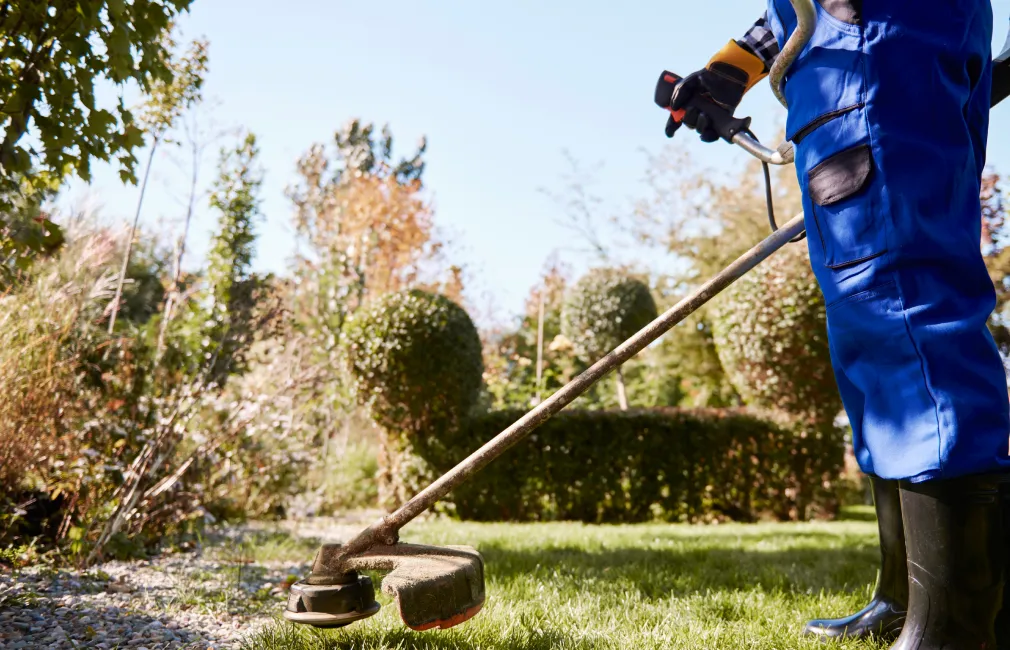
Dawson Plant Removal Types

Tree Removal
-
Shrub Removal
-
Stump Grinding
-
Invasive Species Removal
-
Root System Extraction
-
Hedge Clearing
-
Overgrown Vegetation Removal
Our Plant Removal Process
Site Evaluation
Preparation and Safety Measures
Plant Extraction
Debris Removal
Site Restoration
Why Choose Dawson Landscape Services
-
Dawson Homeowners Trust Us
-
Expert Lawn Maintenance
-
Reliable Scheduling
-
Competitive Pricing
-
Professional Team
-
Satisfaction Guarantee
-
Personalized Service
Identifying Invasive and Nuisance Plants Common to Dawson's Coastal Plain Landscape
Dawson sits in Georgia's upper Coastal Plain region within USDA Hardiness Zone 8b, where the long growing season and warm, humid conditions allow aggressive plant species to establish rapidly. Property owners should be aware of several invasive species that frequently require professional removal in the Terrell County area:
- Kudzu (Pueraria montana): Spreads aggressively across fences, structures, and tree canopies, smothering native vegetation.
- Chinese privet (Ligustrum sinense): Colonizes fence lines, drainage ditches, and woodland edges throughout Dawson's older residential areas.
- Japanese honeysuckle (Lonicera japonica): Twines through hedgerows and garden beds, competing with desirable plantings for light and moisture.
- Cogongrass (Imperata cylindrica): A state-listed noxious weed that spreads through rhizomes in Dawson's sandy Tifton and Greenville series soils.
The UGA Cooperative Extension and UGA Extension - Invasive Species program provide identification guides and management recommendations specific to southwest Georgia. Early identification is essential, as delayed removal allows root systems to expand and increases the cost and complexity of extraction.
How Dawson's Sandy Soils and Drainage Patterns Affect Plant Removal Methods
The predominant soils within Dawson's city limits belong to the Tifton, Greenville, and Faceville series, as documented by the USDA Web Soil Survey. These soils are generally sandy loams to sandy clay loams with moderate to rapid drainage and acidic pH levels typically ranging from 4.5 to 6.0. These characteristics directly influence plant removal techniques:
- Shallow-rooted invasives such as Japanese stiltgrass can often be hand-pulled when soils are moist, particularly after Dawson's spring rains from March through May.
- Deep-rooted woody species like privet and chinaberry develop extensive lateral root systems in sandy substrates, requiring mechanical extraction or stump grinding to prevent regrowth.
- Rhizomatous grasses such as cogongrass spread more readily through Dawson's loose, well-drained soils, making complete root removal critical.
Soil disturbance during removal should be minimized on sloped lots or properties adjacent to drainage ditches to prevent erosion and sediment runoff. Exposed areas should be stabilized with mulch or replanted with native ground cover promptly after removal to protect Dawson's sandy topsoil from washout during summer thunderstorms.
Coordinating Plant Debris Disposal Through Dawson's Public Works and Code Enforcement
After plant removal, proper disposal of vegetative debris is essential to maintain compliance with Dawson's municipal standards. The City of Dawson's Public Works and Utilities department oversees infrastructure and waste-related services, while Code Enforcement addresses property maintenance standards including overgrown vegetation and accumulated yard debris. Property owners and contractors should follow these guidelines:
- Brush and limbs should be cut to manageable lengths and placed at the curb or designated collection area; verify current bundling and size requirements with Public Works before placement.
- Root balls and soil from large-scale plant removal may not be accepted through standard curbside collection and may require transport to an approved disposal site.
- Invasive plant material, particularly species that spread through root fragments such as cogongrass, should not be composted on-site; bag and dispose of this material separately to prevent re-establishment.
Confirm current collection schedules and any seasonal restrictions by contacting the appropriate city department directly.
Dawson Public Works and Utilities
134 North Main Street, Dawson, GA 39842
Phone: (229) 995-4415
Official Website: Dawson Public Works and Utilities
Dawson Code Enforcement Services
134 North Main Street, Dawson, GA 39842
Phone: (229) 995-4415
Official Website: Dawson Code Enforcement Services
Protecting Dawson's Drainage Ditches and Creeks During Plant Removal Operations
Dawson's low-lying topography and network of roadside drainage ditches, along with Chickasawhatchee Creek and other tributaries in the Flint River watershed, make environmental precautions during plant removal particularly important. The Georgia EPD Watershed Protection Branch and the Clean Water Act establish the regulatory framework for preventing sediment and pollutant discharge into waterways. Property owners and contractors in Dawson should observe the following practices:
- Avoid soil disturbance within 25 feet of any drainage ditch, creek bank, or stormwater conveyance unless erosion controls such as silt fencing or straw wattles are in place.
- Do not push or dump removed plant material into ditches or drainage channels, as decomposing vegetation can obstruct flow and degrade water quality.
- Schedule large-scale removal during dry periods when possible—typically late September through November or late spring before heavy summer rains—to reduce runoff risk.
- Stabilize exposed soil immediately with seed, mulch, or erosion blankets after removing established root systems near waterways.
The Georgia Forestry Commission can provide additional guidance on best management practices for vegetation management near sensitive water features in southwest Georgia.
Georgia Forestry Commission
Phone: (800) 428-7337
Official Website: Georgia Forestry Commission
Optimal Timing for Plant Removal in Dawson's Extended Growing Season
Dawson's climate, characterized by approximately 230 frost-free days annually and average summer temperatures exceeding 90°F, creates a long window during which unwanted plants actively grow and spread. The National Weather Service Tallahassee office, which covers the Dawson area, typically records the last spring frost around mid-March and the first fall frost in mid-November. Timing removal work strategically improves effectiveness and reduces regrowth:
- Late winter (January–February): Ideal for removing dormant woody invasives such as privet and Bradford pear, when root energy reserves are lowest and visibility through bare canopy is greatest.
- Early spring (March–April): Effective for herbaceous invasives that are actively emerging but have not yet set seed, including Japanese honeysuckle and wild wisteria.
- Late summer (August–September): Appropriate for treating persistent rhizomatous species with targeted herbicide applications when plants are translocating nutrients to roots; any herbicide use must comply with the Georgia Pesticide Use and Application Act of 1976.
- Avoid removal during active seed dispersal (typically May–July for many invasive species) to prevent spreading viable seeds across the property.
Consult UGA Cooperative Extension publications for species-specific timing recommendations applicable to USDA Zone 8b.
What Neighborhoods Do We Serve Throughout Dawson, GA?
- Downtown Dawson / Main Street Historic Area: Older residential lots with mature ornamental plantings, established privet hedges, and foundation shrubs that may require removal due to overgrowth, structural encroachment, or replacement with period-appropriate species. Narrow lot setbacks and proximity to sidewalks require careful equipment access planning.
- West Dawson / Lee Street Corridor: Residential properties with sandy loam soils and open drainage ditches where invasive vines and volunteer trees frequently establish along fence lines and property boundaries. Debris disposal coordination with Public Works is particularly important in this area.
- East Dawson / Highway 82 Vicinity: Mixed residential and commercial parcels where nuisance vegetation along road frontage may trigger code enforcement attention. Right-of-way visibility and sightline maintenance are key considerations for plant removal along this corridor.
- North Dawson / Stonewall Avenue Area: Established neighborhoods with larger lots and mature tree canopy where shade-tolerant invasives such as English ivy and Japanese honeysuckle accumulate in understory beds and along wooded edges.
- Chickasawhatchee Creek Vicinity: Properties near the creek corridor require heightened environmental precautions during plant removal, including erosion controls and buffer zone awareness to protect water quality in the Flint River watershed.