
Dawson Hedging Services
Choose Dawson Hedging for precision-crafted hedges that enhance privacy, boost curb appeal, and provide year-round beauty—delivered by experienced professionals who care about your landscape as much as you do.
Get a Free QuoteOur Dawson Landscaping & Yard Care Services
When to Schedule Hedging in Dawson, Georgia – Seasonal Guide
In Dawson, Georgia, the best times to schedule hedging are typically late winter through early spring and again in late summer. These periods align with the region’s mild climate and help avoid the stress of peak summer heat or the risk of frost damage. Dawson’s proximity to the Kinchafoonee Creek and neighborhoods like Parrott and Sasser means that microclimates can influence the ideal timing for hedging, especially in areas with heavier shade or higher humidity. Local soil types, which range from sandy loam to clay, also play a role in how quickly plants recover after trimming.
It’s important to consider Dawson’s average last frost date in early March and the potential for late-summer droughts, which can impact plant health if hedging is done too late in the season. Homeowners near landmarks such as the Terrell County Courthouse or the Dawson City Park should also be aware of municipal guidelines and neighborhood association rules regarding landscape maintenance. For more information on local regulations, visit the official municipal website.
Local Factors to Consider for Hedging in Dawson
- Tree and shrub density in your yard
- Terrain and slope, especially near creek beds
- Annual precipitation and drought risk
- Shade coverage from mature trees
- Soil type (sandy, loamy, or clay)
- Municipal or HOA restrictions on landscape work
Benefits of Hedging in Dawson
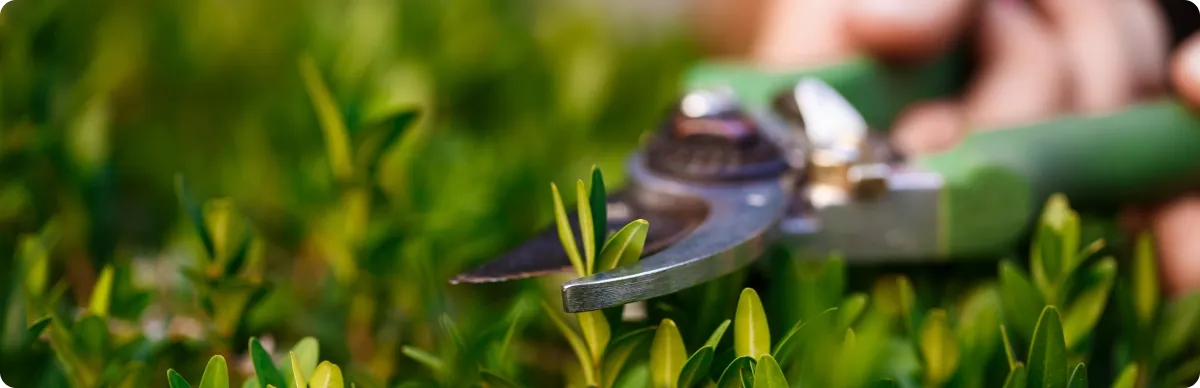
Expert Hedge Trimming
Customized Landscaping Solutions
Enhanced Property Curb Appeal
Reliable Local Service
Eco-Friendly Practices
Year-Round Maintenance
Dawson Hedging Types

Boxwood Hedges
-
Privet Hedges
-
Yew Hedges
-
Laurel Hedges
-
Holly Hedges
-
Beech Hedges
-
Hornbeam Hedges
Our Hedging Process
Consultation and Planning
Site Preparation
Precise Trimming
Cleanup and Inspection
Why Choose Dawson Landscape Services
-
Dawson Homeowners Trust Us
-
Expert Lawn Maintenance
-
Reliable Scheduling
-
Competitive Pricing
-
Professional Team
-
Satisfaction Guarantee
-
Personalized Service
Selecting Heat-Tolerant Hedge Species for Dawson's Coastal Plain Soils and Climate
Dawson is located in USDA Hardiness Zone 8b within Georgia's upper Coastal Plain region, where summers are long, hot, and humid with average high temperatures frequently exceeding 95°F from June through August. The predominant soils in the Dawson area belong to the Tifton and Greenville series—sandy loams and sandy clay loams that are moderately well-drained but often acidic, with pH levels typically ranging from 4.5 to 5.8. These conditions directly influence hedge species selection. Property owners should consider varieties well-adapted to acidic, sandy-textured soils and sustained summer heat, including:
- Ligustrum sinense (Chinese Privet) — note that this species is classified as invasive by UGA Extension - Invasive Species; native alternatives are strongly preferred
- Ilex vomitoria (Yaupon Holly) — drought-tolerant, native, and well-suited to acidic Coastal Plain soils
- Ilex glabra (Inkberry) — thrives in moist to moderately drained sandy loam
- Myrica cerifera (Wax Myrtle) — fast-growing native evergreen tolerant of Dawson's heat and humidity
- Loropetalum chinense (Chinese Fringe Flower) — performs well in Zone 8b with adequate drainage
Soil testing through the UGA Cooperative Extension Terrell County office is recommended before planting to determine lime and nutrient amendment needs. The USDA Web Soil Survey provides parcel-level soil data for site-specific planning.
How Dawson's Code Enforcement Standards Affect Hedge Height and Property-Line Visibility
Hedge maintenance in Dawson is subject to municipal property standards enforced through the city's Code Enforcement division. Overgrown hedges that obstruct sidewalks, encroach on public rights-of-way, or impair sightlines at intersections and driveways may trigger code compliance action. Property owners should be aware of the following general requirements:
- Hedges along street frontages and corner lots must not obstruct driver visibility within sight triangles at intersections; verify current dimensional standards with the city
- Vegetation extending over sidewalks or into the public right-of-way must be trimmed to maintain clear pedestrian passage
- Nuisance vegetation complaints—including hedges that harbor pests, block drainage, or create safety hazards—may result in notice from Code Enforcement
- Properties adjacent to city infrastructure such as water meters, fire hydrants, or utility easements must keep hedges trimmed to allow unobstructed access
Residents should confirm current height restrictions and setback requirements with Dawson's Building and Zoning or Code Enforcement offices before installing new hedges or allowing existing plantings to exceed typical residential heights.
Dawson Code Enforcement Services
134 N. Stonewall Street, Dawson, GA 39842
Phone: (229) 995-4415
Official Website: Dawson Code Enforcement Services
Optimal Hedge Trimming Intervals for Dawson's Extended Growing Season
Dawson's warm-season growth period extends roughly from late March through mid-November, giving hedges an exceptionally long window of active growth compared to northern Georgia communities. This extended season requires more frequent trimming to maintain form, density, and compliance with property standards. Recommended trimming schedules vary by species:
- Yaupon Holly and Wax Myrtle: trim 3–4 times per year, with primary shaping in late March or early April before new growth hardens, followed by maintenance trims in June, August, and optionally in October
- Loropetalum: trim immediately after spring bloom (typically April) to preserve flowering; a second light trim in mid-summer maintains shape
- Boxwood and similar slow-growing evergreens: 2–3 trims per year, avoiding heavy cuts during peak summer heat (July–August) when stress and sunscald risk increase
- Fast-growing informal hedges: may require monthly attention from May through September
The National Weather Service Tallahassee office, which covers Terrell County, provides frost date forecasts that help determine the safe window for late-season pruning. Avoid heavy pruning within six weeks of the average first frost date (approximately mid-November in Dawson) to prevent tender new growth from freeze damage.
Disposing of Hedge Trimmings Through Dawson's Public Works and Utilities Process
Hedge trimming generates significant volumes of green waste, particularly during Dawson's peak growing months. Proper disposal is essential to avoid code violations and to protect local drainage infrastructure. Dawson's Public Works and Utilities department oversees waste collection and infrastructure maintenance within city limits. Property owners and contractors should observe the following practices:
- Bundle hedge trimmings in manageable lengths (typically no longer than 4 feet) and place them curbside in accordance with the city's collection schedule; verify current pickup days directly with Public Works
- Do not deposit clippings into storm drains, roadside ditches, or drainage swales, as decomposing vegetation can obstruct flow and degrade water quality in Chickasawhatchee Creek and other local waterways
- Large-volume hedge removal projects may require coordination with Public Works for special pickup or hauling to an approved disposal site
- Contractors performing hedging work within Dawson should confirm disposal responsibilities and ensure compliance with city waste handling expectations
The Georgia EPD Watershed Protection Branch provides guidance on protecting local waterways from organic debris and nutrient loading.
Dawson Public Works and Utilities
134 N. Stonewall Street, Dawson, GA 39842
Phone: (229) 995-4415
Official Website: Dawson Public Works and Utilities
Property-Line Hedges and Zoning Setback Considerations in Dawson
Hedges installed along property boundaries in Dawson must comply with local zoning setback requirements and should not encroach onto neighboring parcels or public easements. Dawson's Planning and Zoning office administers land use regulations that may affect hedge placement, particularly in the following situations:
- Corner lots: hedges near intersections are subject to sight-triangle clearance requirements to ensure safe vehicular and pedestrian visibility
- Utility easements: hedges planted over water, sewer, or electrical easements may need to be removed for maintenance access; verify easement locations on the property plat before planting
- Shared property lines: Georgia law generally allows a property owner to trim branches or growth that crosses onto their property, but disputes over boundary hedges should be resolved with reference to a current survey
- Front-yard setbacks: some zoning districts may restrict hedge height or placement within the front setback area
Property owners planning new hedge installations should consult Dawson's Planning and Zoning Services to confirm applicable setback dimensions and any district-specific restrictions before planting.
Dawson Planning and Zoning Services
134 N. Stonewall Street, Dawson, GA 39842
Phone: (229) 995-4415
Official Website: Dawson Planning and Zoning Services
What Neighborhoods Do We Serve Throughout Dawson, GA?
- Downtown Dawson Historic District: Older residential and mixed-use properties often feature mature hedges along sidewalks and property lines. Trimming must account for narrow setbacks, pedestrian clearance, and proximity to historic structures. Soil in this area tends to be compacted from decades of development.
- North Dawson Residential Area: Properties along and north of Lee Street feature established lots with mixed sun and partial shade conditions. Yaupon holly and wax myrtle hedges perform well in the sandy loam soils common here.
- South Dawson / GA-520 Corridor: Newer development patterns and larger lots along the highway corridor may involve hedges for screening and noise buffering. Utility easements and right-of-way setbacks require careful hedge placement.
- Stonewall Street Corridor: Residential properties along this central corridor often maintain front-yard hedges subject to city sightline and right-of-way standards. Proximity to municipal infrastructure requires coordination with Public Works.
- West Dawson / Chickasawhatchee Creek Vicinity: Properties near Chickasawhatchee Creek and its tributaries should avoid planting dense hedges within drainage swales or buffer areas. Species selection should prioritize native plants that stabilize soil without obstructing natural water flow.
- East Dawson / Terrell County Recreation Area: Residential lots near the Terrell County Recreation Department facilities feature open, sun-exposed yards where heat-tolerant hedge species such as loropetalum and yaupon holly are well-suited to the sandy, acidic soils.